
Stop Letting Knee Pain Dictate Your Spring Plans
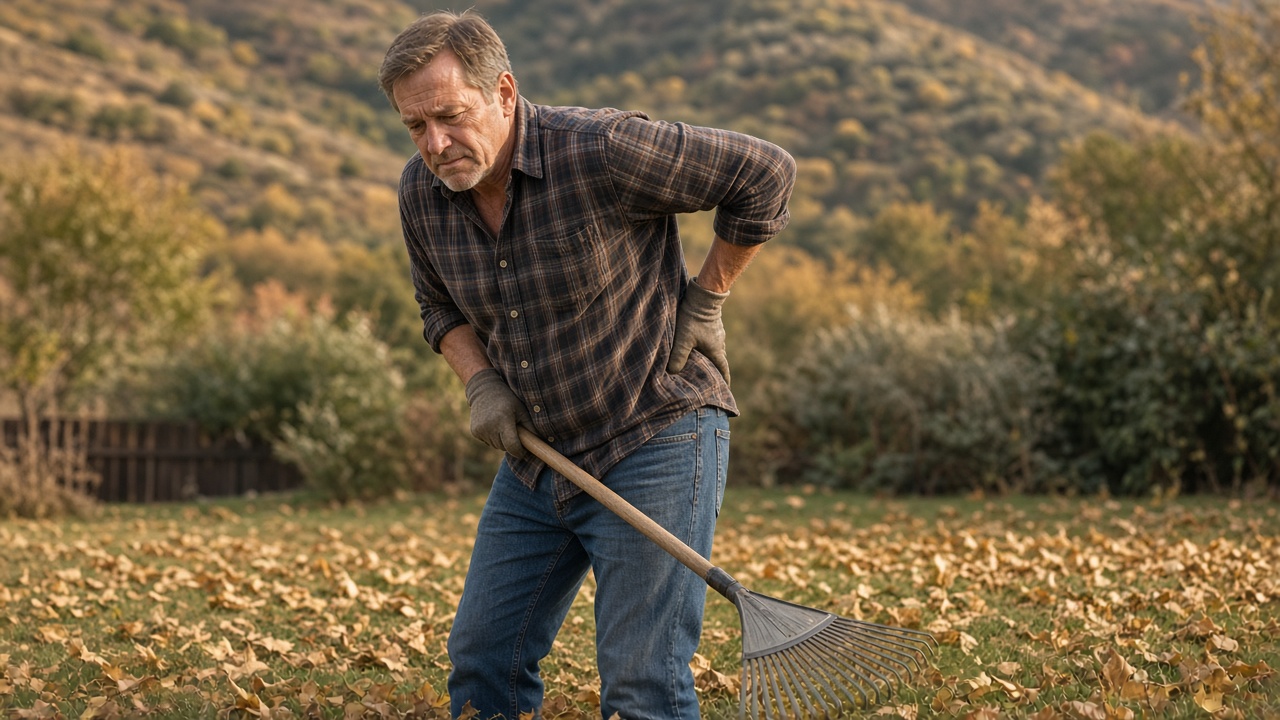
Knee pain has a way of stealing the things you look forward to most. Walking local trails, gardening in the backyard, playing a round of golf, or keeping up with kids or grandkids can all start to feel out of reach when every step hurts. Instead of feeling excited for longer days and nicer weather, you might be planning your activity around how your knees will feel.
Many people get stuck in a pattern that does not feel good. They rely on pain pills, get temporary relief from cortisone shots, or keep hearing that surgery is the “only” option. That can be scary and frustrating, especially if you still want to stay active. Regenerative medicine offers a different, non-surgical path that focuses on helping the body repair and calming irritation in joints, so pain and stiffness are not the whole story anymore.
Understanding Knee Pain Beyond “Wear and Tear”
Knee pain is often blamed on simple “wear and tear,” but there is usually more going on. Some of the most common causes we see include:
- Osteoarthritis in the knee joint
- Past sports or accident injuries
- Meniscus and ligament issues
- Overuse from work, hobbies, or repetitive motions
- Age-related thinning of cartilage
When activity picks up after a slower season, knees can start to complain. More walking on uneven Reno-area trails, crouching for yard work, or a sudden return to weekend sports can all flare a knee that was only a little sore before. The joint may not have had time to adjust to the load you are putting on it again.
Pain is not only about what shows up on an X-ray or MRI. Chronic inflammation inside the joint, small amounts of joint instability, and muscle imbalances in the hips, thighs, and calves can all keep your knee irritated. That is why someone can be told their imaging is “not that bad” but still feel limited every time they go up or down stairs, or stand for very long.
What Regenerative Medicine Really Is (and Is Not)
Regenerative medicine is a general term for treatments that are meant to support the body’s own repair and recovery processes. Instead of only blocking pain signals, these therapies aim to give joints, tendons, and ligaments a better environment so they can calm down and work more smoothly.
For knee pain, regenerative-style options may include:
- Platelet-rich plasma type injections that concentrate growth factors from your own blood
- Cell-based or growth-factor therapies that focus on joint support
- Advanced joint injection strategies that are designed to cushion and protect the knee
These are very different from standard steroid shots. Steroid injections are often used to reduce inflammation quickly, but the effect may fade, and repeated use can be hard on joint tissues. Regenerative approaches are focused less on quick numbing and more on longer-term joint support.
There are also some myths that are important to clear up:
- It is not a magic cure that instantly gives you a brand-new knee
- It does not promise to completely regrow lost cartilage
- Results vary from person to person and take time
- Careful exam and planning matter, so treatment is not a one-size-fits-all injection
Reputable clinics use an exam-guided, evidence-informed approach to decide when these treatments make sense and how to pair them with other care.
How We Approach Knee Pain with Regenerative Care
Seeking regenerative medicine in Reno often means you want more than a quick shot and a prescription. At our clinic, we combine medical joint injections with chiropractic care, spinal and joint decompression, and guided rehab strategies to look at how the whole body is affecting your knee.
A typical process for knee pain might include:
- A detailed medical history and conversation about your goals
- A physical exam that looks at the knee, hips, low back, and how you move
- Review of any prior X-rays or MRI scans, and ordering new imaging if needed
- A custom plan that may blend regenerative injections, knee unloading techniques, and targeted exercises
Our goals are tied to what matters most in your daily life. That could mean walking the Riverwalk with less pain, being ready to get back on the slopes next winter, handling long shifts at work, or doing more of what you love without rushing straight into a knee replacement when it is not yet your only choice.
Is Regenerative Medicine a Fit for Your Knee Pain?
Not everyone with knee pain is a good candidate for regenerative treatments, and that is okay. The key is being honest about where your joint is right now and what you are willing to do.
People who may be good candidates often have:
- Mild to moderate osteoarthritis
- Pain that limits life, but the joint is not completely collapsed
- A strong desire to avoid or delay long-term medication and surgery when safe
- Willingness to follow a simple rehab and activity plan
There are also times when regenerative medicine may not be the best option, such as:
- Severe bone-on-bone damage where joint space is almost gone
- Active infection in the joint or body
- Certain bleeding or immune system conditions
- Refusal to change any activities that are clearly aggravating the knee
It can help to ask yourself a few questions:
- How long has knee pain limited the things I enjoy?
- Have pain pills, braces, or basic physical therapy given only short-term relief?
- Am I open to movement and lifestyle changes along with any injections or treatments?
Your honest answers can guide the next step.
What to Expect Before, During, and After Treatment
If you choose to explore regenerative care for your knee, you should know what the process feels like from start to finish. The first visit often includes a consultation, review of your imaging, and a clear explanation of what is happening in your knee in simple terms. There is plenty of time to ask questions so you feel informed and comfortable.
During an injection appointment, the area is cleaned carefully, your position is adjusted so the joint is easy to reach, and the injection is done in-office. Many people are surprised at how quick the process is. You may feel some soreness or pressure in the joint afterward, which is usually expected.
After treatment, improvements usually happen gradually over weeks to months as your body responds. Spring can be a smart time to start, giving you time to build strength and confidence before busier summer activities. A complete plan may include:
- Short-term activity changes, such as avoiding deep squats or long runs
- Chiropractic care or decompression to improve how your spine and hips load the knee
- Gentle rehab exercises that support balance, strength, and joint control
- Follow-up visits to track pain levels, walking distance, range of motion, and function
The goal is not only less pain, but better movement patterns so your knee has a better chance to stay calmer over time.
Take the Next Step Toward Pain-Reduced Movement
If knee pain has been calling the shots in your life, it may be time to look beyond quick fixes and all-or-nothing choices. Regenerative medicine in Reno offers a middle ground for many people, focusing on joint support, movement, and realistic goals instead of only masking pain or jumping straight to surgery.
You do not have to know whether you are a perfect candidate right now. Bringing prior imaging if you have it, thinking through what you want your knee to do again, and being ready to talk honestly about your health and habits are simple first steps toward a clear plan.
Take The Next Step Toward Lasting Pain Relief
If you are ready to explore advanced options for joint pain, injury recovery, or reduced mobility, our team at Reno Regenerative is here to help you understand whether regenerative medicine in Reno is right for you. We will walk you through your options, answer your questions, and outline a personalized plan focused on your long-term function and comfort. To schedule a visit or ask a question, simply contact us and we will follow up promptly.