
Hit the Trail Without Sciatica Holding You Back
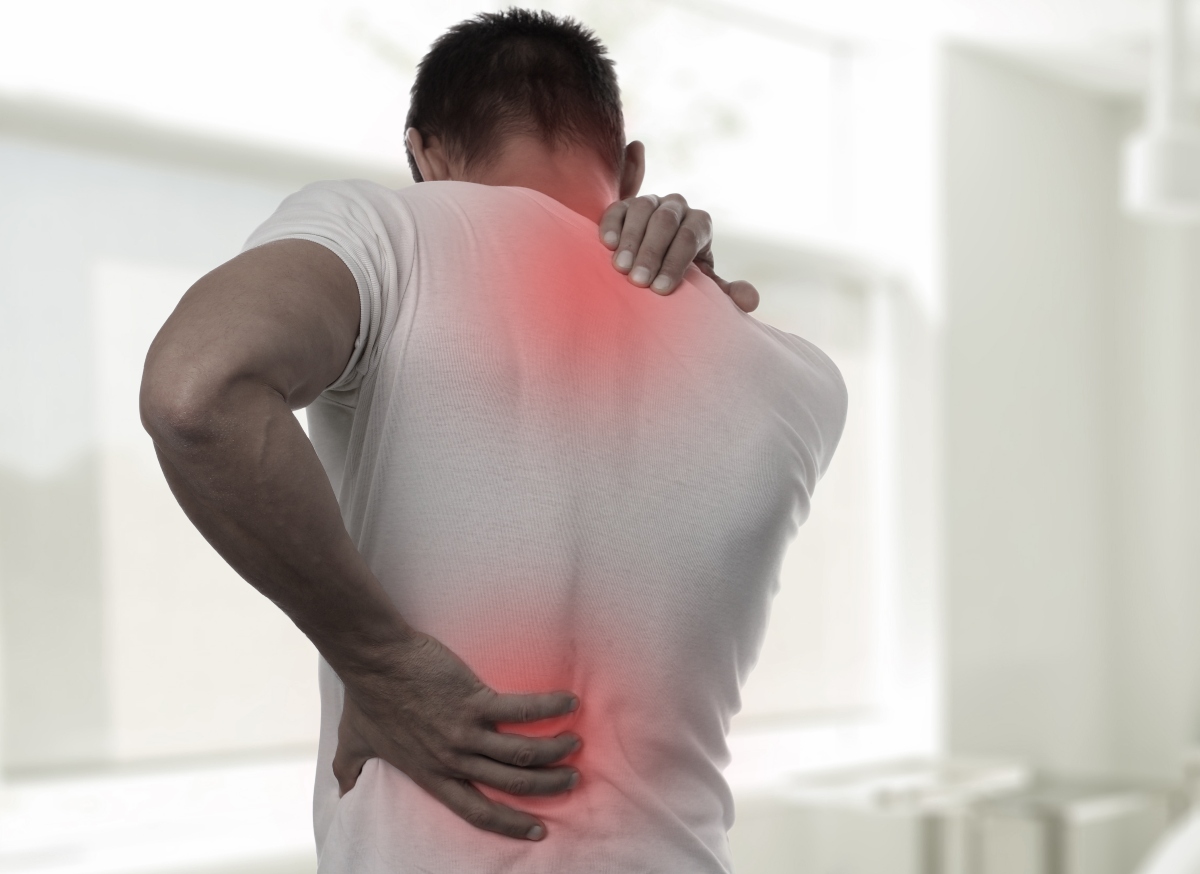
Sciatica can turn a dream backpacking trip into a long, painful slog. If you hike with a pack and feel sharp pain, tingling, or numbness running from your lower back down your leg, that is a sign your sciatic nerve is not happy.
Backpackers feel this a lot. Heavy gear, long climbs, and rocky trails all add stress to the lower back, hips, and legs. When the sciatic nerve gets irritated, every step can feel harder, and simple camp chores can feel like a burden on top of the hike.
Reno sits right between classic trail systems like the Tahoe Rim Trail, the Pacific Crest Trail, and amazing day hikes in the Sierra. That makes it a smart base for getting help before or after your trips. In this guide, we will walk through why backpackers deal with sciatica, share simple trail-smart habits, and how sciatica treatment in Reno can support your goal to stay active.
Why Backpackers Are Prone to Sciatica Flare-Ups
Backpacking is hard on your body, even if you are fit. The way we carry weight and move on the trail can put pressure on the spine and the sciatic nerve.
Common triggers include:
- Overloaded packs that pull you backward
- Poorly fitted shoulder straps and hip belts
- Steep climbs and descents that pound the joints
- Uneven ground that twists the hips and low back
- Repetitive bending and twisting while setting up camp
Inside the body, a few key things are going on. The discs between your spinal bones can get compressed. The nerve roots that form the sciatic nerve can get irritated. Tight muscles in the hips, especially the piriformis, can squeeze the nerve. If your core and glutes are weak from long hours of sitting, the back has to work even harder to support you with a pack.
It helps to notice early warning signs before a big trip, such as:
- Tingling or buzzing in the leg that comes and goes
- Stiffness in the low back after shorter hikes
- Pain that builds during long car rides or flights
- A leg that feels weaker or less steady on stairs
When you spot these hints early, you can look for support instead of trying to push through until you are stuck hurting miles from the trailhead.
Smart Self-Care Before and During Backpacking Season
You do not need a perfect gym plan to prep your back for the trail. A simple, steady routine 6 to 8 weeks before your trip can help.
Helpful focus areas include:
- Core stability, like gentle planks and dead bugs
- Hip mobility, with easy front and side leg swings
- Hamstring flexibility, with light stretching after walks
- Glute strength, with bridges, step-ups, and squats to a chair
- Short hikes with a light pack, slowly adding weight over time
Gear and technique also matter. A pack that fits your body can make a big difference. Keep most of the weight close to your back and centered over your hips. Tighten the hip belt so it carries the load, not your shoulders. Use trekking poles to share the impact with your arms, especially on downhills.
On-trail, try to:
- Take short micro-breaks to shake out legs and lower back
- Do gentle hip and thigh stretches at water or snack stops
- Avoid fast twisting with your pack on when you turn
- Step carefully on loose rocks so you do not jerk your back
If sciatica flares mid-trip, simple adjustments may help. Change positions often, shift your pack slightly, and shorten your stride. You might cut your mileage for a day or two, camp earlier, or plan a lower-mileage exit. At camp, choose a sleeping position that keeps your spine fairly straight, such as on your side with a small support between your knees.
If pain is sharp, you feel new weakness, or you start losing balance, it may be safer to change your route, take an extra rest day in town, or head back instead of pushing deeper into remote sections.
Non-Surgical Sciatica Treatment in Reno for Active Hikers
When self-care is not enough, non-surgical options can help calm the nerve and support your spine so you can stay active. In Reno, there are treatments that focus on addressing the source of irritation instead of only masking pain.
Some backpackers choose chiropractic care to help improve spinal alignment and motion. When the joints in the lower back move better, it may ease pressure on the sciatic nerve roots that have been increased by pack weight and long days on uneven terrain.
Spinal decompression is another non-surgical therapy used for some people with disc-related pain. It is a type of gentle traction that aims to reduce compression on the discs and nerves. For hikers, that can be helpful when repeated loading from uphill climbs and downhill braking has left the lower back feeling jammed and tight.
Complementary options that may be part of a plan include:
- Joint injections aimed at calming inflamed joints
- Trigger point injections for irritated, tight muscles
- Soft-tissue work focused on hips, glutes, and low-back muscles
- Rehab exercises tailored to how you hike, climb, and carry a pack
At Reno Regenerative Medicine, we bring these types of therapies together in an integrative way, with a focus on non-surgical care and low downtime so you are not kept away from the mountains longer than needed.
Regenerative and Hormone Therapies for Faster Recovery
Regenerative medicine is a general term for treatments that are designed to support the body’s own healing processes. For backpackers, that can mean working to support tissues that take a beating on the trail, like spinal discs, hip joints, knees, and the soft tissues around them.
Targeted regenerative injections and related therapies are used with the goal of:
- Reducing local inflammation around irritated tissues
- Supporting joint and soft-tissue health over time
- Improving how well a painful area can move and function
- Helping long-standing problem spots that keep flaring up
For someone who loves backpacking but battles chronic or recurring sciatica, these approaches may be part of a wider plan that includes hands-on care, decompression, and specific rehab.
Hormone optimization can also play a role in whole-body recovery for active adults. When key hormones are out of balance, it can affect energy levels, muscle maintenance, and how well tissues repair after long, demanding days. By working to bring hormones into a healthier range, we aim to support your overall ability to train, hike, and recover.
Planning Your Next Trek with a Sciatica-Safe Strategy
Good planning can give you more trail days and fewer painful surprises. Before snowmelt opens up the high country, it is helpful to check in with how your body feels and get ahead of any low-back or leg symptoms you already notice.
A simple pre-trip checklist might include:
- Track any back or leg pain in a small notebook
- Adjust training hikes so you add miles and pack weight slowly
- Include rest and recovery days in your backpacking calendar
- Practice with your actual gear, not just a gym pack
- Get an evaluation in Reno if you have had sciatica before
At Reno Regenerative Medicine, we focus on helping people move with less pain using non-surgical, integrative care. For backpackers who want sciatica treatment in Reno that respects their love of the trail, we work to build plans around real goals, like finishing a loop, section hiking a long trail, or simply enjoying weekend trips without dreading each step. With smart prep and the right support, you can step onto your next trail feeling more ready and more confident.
Take The Next Step Toward Lasting Sciatica Relief
If sciatic pain is limiting your daily life, we invite you to explore our personalized approach to sciatica treatment in Reno. At Reno Regenerative, we carefully evaluate your symptoms, lifestyle, and goals so we can recommend options that fit your needs. We will walk you through each step, answer your questions, and help you understand what to expect from care. To schedule a visit or talk with our team, please contact us today.