
Whiplash can turn a small car accident into a big problem for your daily life. A simple rear-end tap on I-80 or a slow roll through Midtown traffic might not feel serious in the moment. But days later, your neck feels tight, headaches start, and you notice you are not sleeping or moving like you used to. This is often when people realize that whiplash is more than just a sore neck.
In this article, we will talk about what whiplash really is, why symptoms can stick around, and when rest is not enough. We will also explain how an integrative pain approach can support recovery and help you get back to driving, working, and enjoying the Reno-Tahoe area without constant fear of a setback.
Whiplash Pain Should Not Define Your Life
A minor collision can change the way you feel from head to toe. At first, you might feel only a little stiff and think, “I am fine.” Then, a few days later, your neck feels locked up, headaches peek in during the afternoon, and lifting groceries or turning to check blind spots becomes harder.
When whiplash lingers, it can quietly affect everyday parts of life. Sleep can suffer because it hurts to find a comfortable position. Your mood can shift because ongoing pain often leads to frustration or worry. Work may become harder, especially if you sit at a desk or drive all day. Even outdoor fun like hiking, biking, or heading up to the lake can start to feel out of reach.
If this sounds familiar, you are not alone. Many people try to push through the pain, hoping it will fade. At Reno Regenerative Medicine, we focus on integrative pain care, which means we look at your whole situation, not just one sore spot. Our goal is to help you move better and reduce pain without rushing to surgery or long-term heavy medications.
Understanding Whiplash and Why Symptoms Linger
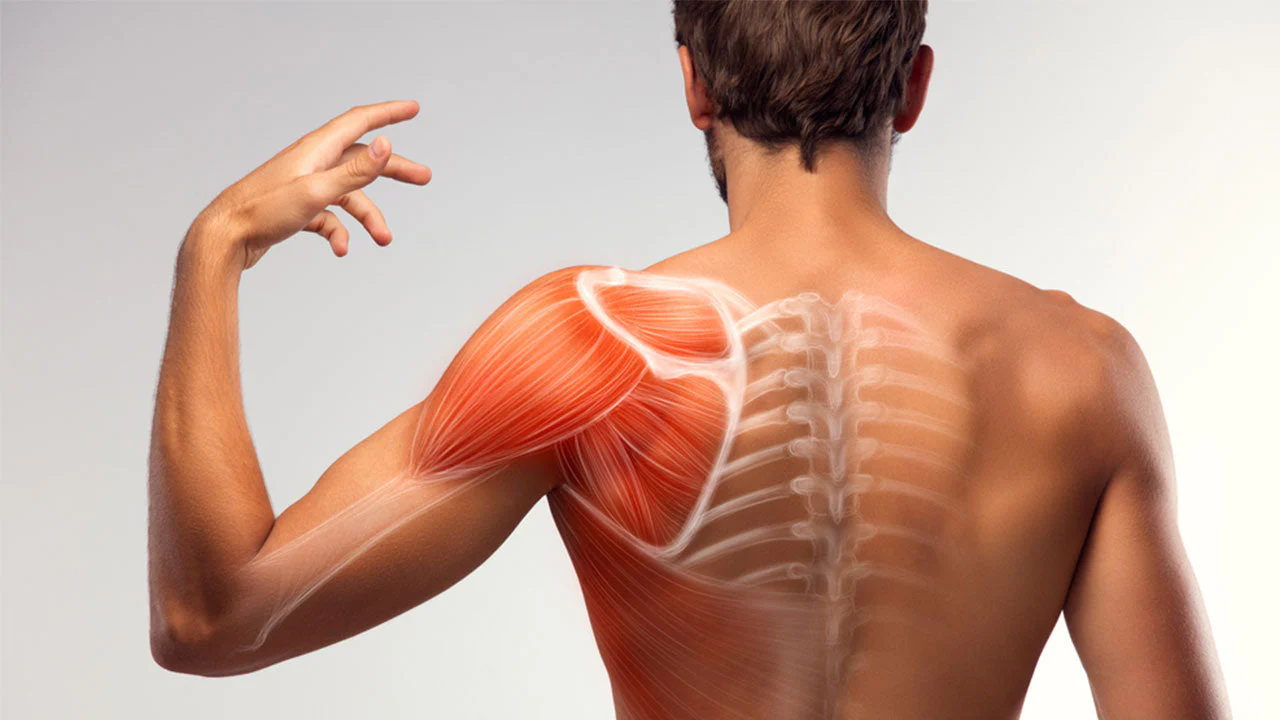
Whiplash happens when the neck is whipped back and forth quickly, often during a car accident. This sudden motion can strain muscles and tendons in the neck, irritate joints between the vertebrae, stretch ligaments that support the spine, and affect nearby nerves and soft tissue.
One tricky part of whiplash is delayed symptoms. You may walk away from the accident feeling fine because your body is full of stress chemicals that mask pain. As things settle, you might notice:
- Neck stiffness or tightness
- Headaches at the base of the skull or behind the eyes
- Shoulder or upper back pain
- Dizziness or a feeling of being “off”
- Trouble focusing or mild brain fog
Some people feel better in a short time with simple care and rest. Others develop ongoing neck or upper back pain that sticks around for weeks or longer. This can happen for several reasons, including scar tissue building up in a way that limits motion, joints not moving correctly after the injury, poor posture at work or while driving, stress that keeps muscles tense and sore, or returning to heavy activity too quickly before tissues are ready.
When these issues stack up, pain can become more stubborn and harder to ignore.
Red Flags That Mean You Need More Than Rest
After a spring or summer accident, it can be hard to know when to just take it easy and when to get help. Some early signs should not be brushed off, such as:
- Pain that does not improve or gets worse after the first week
- Pain that spreads into the shoulders, arms, or upper back
- Tingling, numbness, or “pins and needles” in the arms or hands
- Jaw pain, clicking, or trouble chewing
- Trouble turning your head to drive or check mirrors
There are also urgent red flags that mean you should seek immediate medical care:
- A sudden severe headache that feels different from usual
- Blurred or double vision
- Trouble walking, loss of balance, or clumsiness
- Weakness in arms or legs
- Loss of control of bladder or bowel
If you have tried basic home care and your pain still limits your sleep, work, driving, or favorite outdoor activities, it may be time to look at integrative whiplash treatment in Reno. Getting a full evaluation can help uncover what is really going on beneath the surface.
How Integrative Care Supports Life After Whiplash
Integrative care means bringing multiple tools together in a thoughtful way. Instead of focusing on only one spot or one type of treatment, we look at the full picture of your neck, back, and overall health. A plan may include:
- Chiropractic care to improve joint motion and alignment
- Spinal decompression to gently relieve pressure on discs and nerves
- Targeted injections to calm irritated tissues
- Regenerative therapies designed to support your body’s healing process
- Specific exercises to strengthen and stabilize your neck and upper back
We also think about how the rest of your life affects healing. That can include stress levels, hormone balance, sleep quality, work setup, and daily habits. When all of these are taken into account, we can build a plan focused on long-term function, not just short-term relief.
At Reno Regenerative Medicine, this coordinated care happens under one roof, which can mean fewer stops around town and clearer treatment goals. We want you to understand your plan, how each part fits together, and how it may help reduce the risk of long-term neck and back issues after whiplash.
Regenerative and Non-Surgical Options for Neck Recovery
Many people want to avoid surgery if possible, especially after a car accident that did not seem major at the time. Non-surgical care for whiplash-related neck pain can include:
- Gentle chiropractic adjustments to improve mobility in stiff joints
- Spinal decompression to help create space for nerves and discs
- Soft tissue therapies for tight muscles, fascia, and ligaments
Regenerative medicine and targeted injections may be used to support tissue repair and reduce inflammation. For some patients, this can offer another way to pursue pain relief without leaning heavily on long-term medications.
Home care is also important, but it should be guided, not guessed. We often recommend:
- Custom home exercise plans to support strength and flexibility
- Posture coaching, especially for people who sit at a computer or drive a lot
- Guidance on returning to activities like hiking, cycling, or yard work safely
This combination of in-office treatment and clear home instructions can help protect the neck in the months after the injury and support steady progress.
Getting Back to the Activities You Love in Reno
Most people do not just want less pain; they want their life back. That might mean:
- Driving without flinching every time someone brakes in front of you
- Enjoying a trip up to Lake Tahoe without a sore neck for days after
- Hiking local trails or walking your dog without constant stiffness
- Gardening, golfing, or playing with kids or grandkids confidently
Recovery timelines can vary, but in general, starting care earlier gives you a better chance of feeling good sooner. When you push through pain and keep ignoring symptoms, you may slow healing and let problems become more chronic.
At an initial evaluation for whiplash-related neck pain, you can usually expect:
- A careful review of your accident and symptom history
- A physical exam that looks at posture, movement, and tender areas
- Discussion of your goals, like driving comfort or work demands
- A plan that outlines which therapies may help and in what order
Bringing notes about when your pain started, what makes it worse, and how it affects daily life can help guide this conversation. The more your care team understands your real-world challenges, the better your integrative, non-surgical plan can match your needs.
When whiplash is handled with a thoughtful approach, it does not have to control your next season of life. With the right support, many people are able to move, drive, and enjoy the Reno-Tahoe area again with more comfort and confidence.
Relieve Whiplash Pain and Restore Your Mobility
If you are ready to address your neck pain and move better, our team at Reno Regenerative is here to help. Learn how our personalized approach to whiplash treatment in Reno can support your recovery and long-term spinal health. To schedule a visit or ask questions about your symptoms, please contact us today.