Simple Daily Choices That Make Knee Pain Worse
Knee pain rarely shows up out of nowhere. For many people in Reno, it builds slowly over years of long workdays, time in the car, and busy weekends around Lake Tahoe or in the yard. At first, it is a little stiffness after sitting or a dull ache after a hike. Then one day you notice you are avoiding stairs or turning down plans because your knees just do not feel right.
That slow change is often the result of small habits that repeat day after day. It is not always one big injury. When we become aware of those quiet triggers, we can protect our knees, stay active through the warmer months, and often delay or avoid surgery and long-term medications.
At Reno Regenerative, we focus on helping people uncover those root causes. With regenerative therapies, chiropractic care, decompression, and lifestyle guidance, we work to support the whole joint, not just mask symptoms. A few smart changes at home, at work, and on the trail can make a big difference for your knees over time.
Sitting Too Long at Work, in the Car, and at Home
Extended sitting is one of the most common habits that bothers knees. Many Reno residents spend hours at a desk, then add drive time on I-80 or 395, followed by TV or computer time at night. That much sitting tightens the front of the hips and weakens the glutes, which shifts more pressure into the knees when you finally stand and walk.
You might notice what many people call “start-up pain.” After you get up from your chair, your knees feel stiff, heavy, or achy for the first few steps. When we sit for long periods, joints do not move, so the cartilage gets less natural fluid and nourishment. The tissues around the knees can feel sticky and tight.
Some simple changes can ease that daily strain:
- Set a timer to stand, stretch, or walk for a minute every 30 to 45 minutes
- Try gentle under-desk movements, like straightening one leg at a time or rolling your ankles
- Adjust your chair so your feet rest flat and your knees are at about hip level
- Use a small footrest if your chair is high, so your legs are not dangling or locked
A knee pain doctor in Reno can look at your posture, how you move, and how you stand from a chair, then suggest specific stretches, decompression options, or other care. When your knees feel better during the workday, it is easier to enjoy evening walks, kids’ games, and outdoor events without a flare-up.
Weekend Warrior Moves That Shock Your Knees
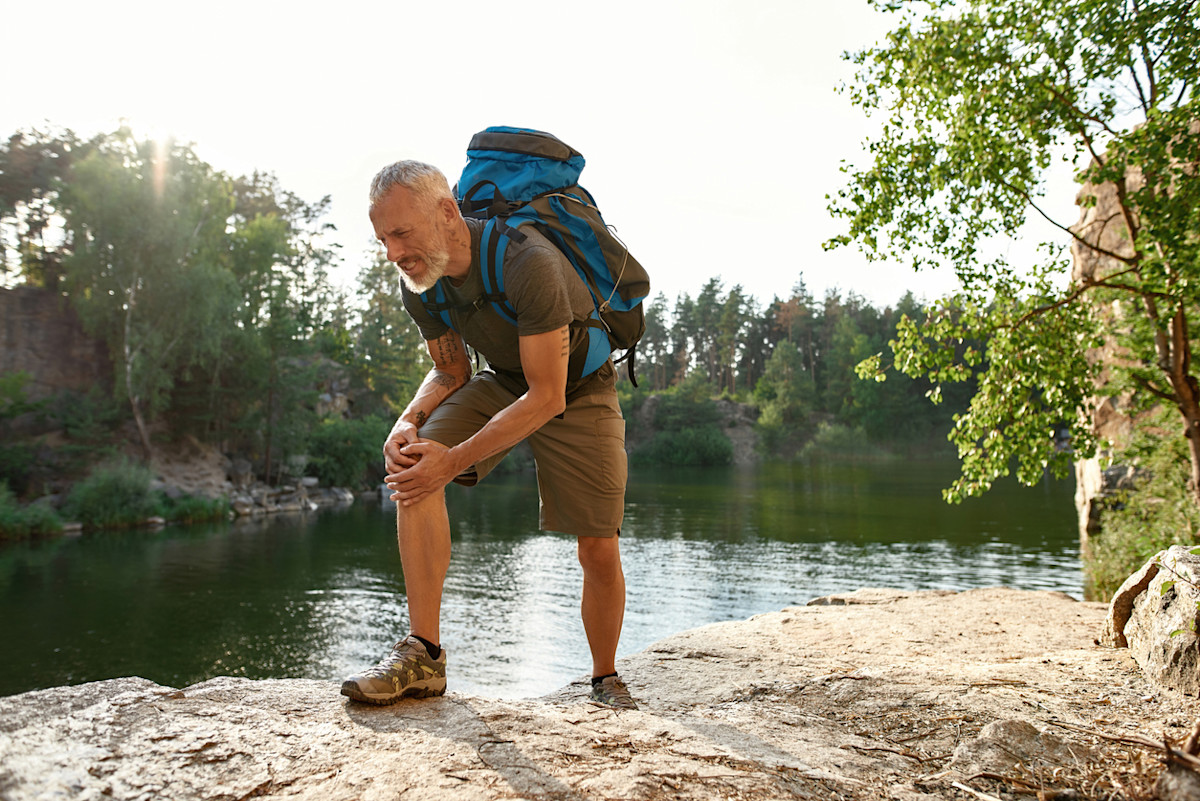
Another habit that sneaks up on the knees is the “weekend warrior” pattern. Many people sit most of the week, then try to make up for it with hard weekend workouts or projects. That might mean steep Tahoe hikes, long pickleball sessions, runs on pavement, or several hours of yardwork when the weather is nice.
Going from low activity to sudden high-impact movement can overload joints that are not ready for it. The muscles around the knees may be deconditioned, so the force goes into the cartilage, ligaments, and tendons. Old injuries and arthritis can flare when the load jumps too quickly.
Common knee stressors around Reno include:
- Downhill hiking on rocky or uneven trails
- Sports with quick stops and starts, like pickleball or tennis
- Running on hard surfaces after a mostly sedentary week
- Kneeling or squatting for long stretches while gardening
To protect your knees, it helps to:
- Add short, low-impact walks or strength work during the week
- Warm up with light movement before you go hard
- Cool down with easy stretching afterward
- Use trekking poles on steep descents or a supportive brace if recommended
A knee pain doctor in Reno can test your joint stability, check which muscles are weak or tight, and build a plan to help your knees handle the activities you enjoy, not just one big weekend.
Footwear and Terrain That Sabotage Your Knees
Your knees feel every step you take. When shoes do not support your feet, the stress travels up through your ankles and hips and lands in your knees. Over time, this can change how you walk and increase wear and tear on the joint.
Common shoe issues that bother knees include:
- Flat flip-flops or sandals with no arch support at summer events
- Old running shoes with flattened cushioning
- Work boots that feel heavy but offer poor shock absorption
- Dress shoes that squeeze toes or tilt weight forward
Reno brings a mix of surfaces. You might stand on concrete or tile floors at work, then walk on sidewalks, then head out to uneven trails, gravel, or slopes. If your footwear does not match the terrain, the knees often pay the price.
Knee-friendly shoe habits can include:
- Choosing shoes with clear arch support and a stable heel
- Picking good cushioning if you stand or walk on hard surfaces
- Replacing athletic shoes regularly when the soles pack down
- Considering orthotics if your feet roll in or out when you walk
At our clinic, we often look at gait and foot mechanics as part of a knee exam. Sometimes small changes in footwear, combined with chiropractic adjustments or regenerative therapies, can give the knees better support from the ground up.
Ignoring Early Warning Signs and Self-Medicating Pain
Knee joints usually whisper before they shout. Many people notice small signs but push them aside, hoping they will go away on their own. Common early warnings include:
- Swelling or puffiness around the knee after walks or activity
- Morning stiffness that takes a while to loosen up
- Clicking, catching, or a grinding feeling with movement
- Tired or shaky knees when going up or down stairs
When these signs are ignored, and the focus stays on “pushing through,” it can allow irritation and joint changes to slowly build. Relying on over-the-counter pain pills or a random brace without a real plan may mask discomfort for a while, but it does not address why the knee is upset in the first place. Some people even do more than they should, because the pain feels quieter, and this can lead to bigger flare-ups.
Seeing a knee pain doctor in Reno early can help catch issues while they are still more manageable. An exam can reveal biomechanical problems, early arthritis changes, or strain on ligaments and tendons. With that information, we can talk about regenerative options and other conservative care that supports the joint, rather than just hiding symptoms.
Resetting Your Knee Health with Expert Support
When we look closely, it is usually not one dramatic moment that leads to long-term knee pain. It is the everyday choices: hours of sitting, sudden bursts of intense weekend activity, shoes that do not quite support you, and those early warning signs that get brushed off. The good news is that you do not have to change everything at once or be perfect to feel better.
At Reno Regenerative, we start with a careful evaluation so we can understand your unique knees, your daily habits, and your goals. From there, we build a personalized plan that may include regenerative therapies, chiropractic care, decompression, and simple lifestyle coaching to support your joints. Our aim is to help you move with more comfort and confidence, so you can keep doing the things you enjoy around Reno for years to come.
Take The Next Step Toward Pain-Free Movement
If knee pain is limiting your daily activities, we are here to help you move with confidence again. At Reno Regenerative, our knee pain doctor in Reno focuses on personalized, non-surgical treatment options tailored to your needs. Schedule a consultation so we can evaluate your condition and recommend a clear path forward. If you are ready to talk with our team, please contact us today.