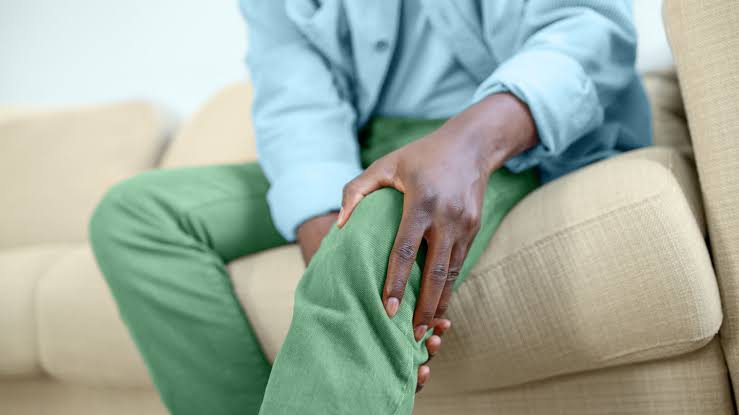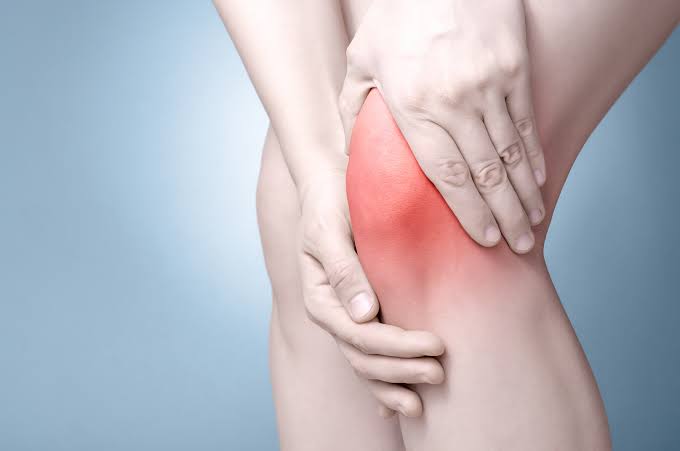
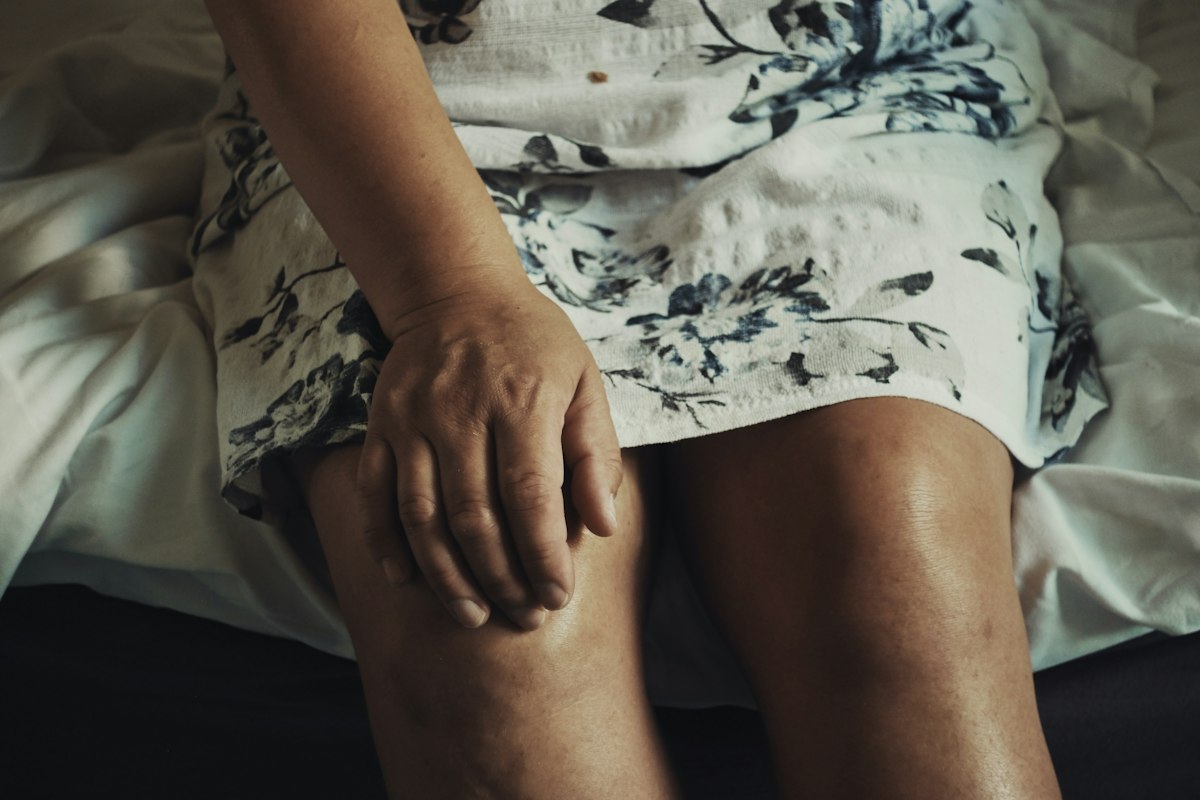
There is a very specific moment when many people first notice something is wrong with their knees. It happens when you start walking down a set of stairs. At the top step everything feels normal. You shift your weight forward and begin the descent. Then suddenly your knee sends a signal that something is not right. It might be a sharp discomfort under the kneecap. It might be a dull ache deep in the joint.
Sometimes it feels like the knee cannot support your weight the way it should. You slow down. You grab the railing. You adjust your steps. At first you assume it is temporary. Maybe you moved the wrong way or exercised too hard the day before. But the pattern repeats. Every time you walk down stairs, step off a curb, or move downhill, that same discomfort appears.
At Reno Regenerative Medicine, this is one of the most common early complaints we hear. Patients often say their knee feels fine while walking on flat ground but suddenly hurts when they descend stairs. This is not random.
Pain during stair descent is often an early sign that the mechanics inside the knee joint are changing. It can indicate increased pressure within the joint, cartilage stress, inflammation, or reduced joint space. Understanding why this happens is the first step toward restoring comfortable movement and protecting your knee from further damage.
Why Descending Stairs Places Unique Stress on the Knee
Most people think walking down stairs should be easier than walking up them. In reality the opposite is true for the knee joint.
When you walk upstairs, your muscles lift your body upward. When you walk downstairs, your knee must absorb the full force of your body weight while controlling the descent. During this motion the knee bends while supporting significant load. The quadriceps muscles act like brakes, slowing the body as you step downward. This braking action increases pressure inside the knee joint.
Studies show that the force inside the knee while descending stairs can be several times greater than your body weight. If the knee joint is healthy and cartilage is strong, this pressure is handled smoothly. But when cartilage becomes irritated or the joint space begins to narrow, that extra pressure can create pain. This is why knee pain treatment often focuses on relieving internal joint pressure rather than simply masking discomfort.
The Role of Cartilage in Smooth Knee Movement
Cartilage is the protective cushion that allows bones in the knee to glide smoothly. It acts like a shock absorber between the femur and tibia. When cartilage is healthy, the joint surfaces move with minimal friction. Synovial fluid inside the joint lubricates the surfaces so movement feels fluid and comfortable. However cartilage can gradually wear down due to age, repetitive stress, previous injuries, or mechanical imbalances. As cartilage thins, the space between bones decreases. This increases pressure within the joint during weight bearing activities.
Descending stairs becomes one of the first activities where this change becomes noticeable because the joint is under such high load. Many patients describe the sensation as pain under the kneecap or a feeling of pressure deep within the knee.
Why Stair Pain Is Often an Early Warning Sign
One important reason stair pain deserves attention is that it often appears before other symptoms.
Walking on flat ground may still feel comfortable. Sitting or standing may not cause problems. But stairs reveal the issue because they demand more from the joint. This makes stair discomfort a valuable early indicator of joint stress. If ignored, the underlying pressure inside the knee may continue increasing. Over time this can lead to chronic inflammation, reduced mobility, and worsening cartilage wear.
Addressing the problem early allows you to support the joint before degeneration progresses further.
The Hidden Problem of Joint Compression
Many knee problems share a common root cause: compression within the joint.
Joint compression occurs when the space between the bones of the knee decreases. As the joint surfaces move closer together, pressure increases on cartilage and surrounding tissues. This pressure can irritate the joint lining, limit fluid movement, and accelerate cartilage stress.
During stair descent, compression becomes even more pronounced because the knee is supporting multiple times your body weight while bent. Reducing this internal pressure is a key part of restoring comfortable movement. This is where knee decompression therapy can play an important role.
How Knee Decompression Therapy Works
Knee decompression therapy focuses on gently reducing pressure within the knee joint.
Rather than forcing the joint to move under constant compression, decompression therapy carefully creates space between joint surfaces. This process allows the joint to experience less mechanical stress.
Reducing pressure inside the knee allows several beneficial things to occur, and inflammation can decrease because irritated tissues are no longer being compressed with every movement.
Joint fluid circulation improves, helping deliver nutrients to cartilage and remove inflammatory waste products.
Cartilage experiences less friction, allowing smoother movement.
Over time these improvements can help patients experience less pain during activities that once triggered discomfort, including walking down stairs.
Why Decompression Is a Non Surgical Option
Many people assume that knee pain automatically leads to surgery. However surgery is not always the only solution.
Non surgical knee pain treatment Reno focuses on restoring joint function and improving the environment inside the knee. Decompression therapy is one of the most effective non surgical strategies because it directly addresses mechanical pressure within the joint. Instead of removing tissue or altering joint structures, decompression works with the body’s natural healing processes. For many patients this approach can reduce pain and improve mobility while avoiding the risks and recovery time associated with surgery.
Why Knee Mechanics Matter
The knee does not operate alone. It functions as part of a complex system that includes the hips, ankles, and core muscles. When muscles around the knee become weak or imbalanced, joint pressure can increase. Poor alignment during walking or standing can also concentrate stress on certain areas of the joint. This is why effective knee treatment often involves evaluating movement patterns in addition to addressing joint pressure. By improving the mechanics of the entire lower body, we help reduce unnecessary strain on the knee.
The Emotional Impact of Knee Pain
Many people underestimate how much knee pain can affect daily life. Simple activities become frustrating. Climbing or descending stairs requires caution. Outdoor activities such as hiking or walking on uneven ground may feel intimidating. Over time these limitations can reduce activity levels and affect overall quality of life.
Restoring knee function helps people regain confidence in their movement and return to activities they enjoy.
Why Patients Choose Reno Regenerative Medicine
At Reno Regenerative Medicine, we take a comprehensive approach to joint health.
Our goal is not only to reduce pain but also to improve how the joint functions. By addressing pressure within the knee and supporting healthier mechanics, we help patients move with greater comfort and confidence. Each treatment plan is personalized because every knee and every patient is unique.
Take the First Step Toward Pain Free Movement
If your knees hurt when walking down stairs, your body may be signaling that the joint needs attention. Addressing the issue early can help restore smoother movement and prevent further stress on the joint.
If you’re ready to get the help and care you deserve and need, click here to set up a consultation; we can’t wait to meet you.
Conclusion
Pain while descending stairs is often one of the earliest signs that pressure inside the knee joint is increasing. Addressing this pressure through treatments such as knee decompression therapy can help reduce inflammation, support cartilage health, and restore comfortable movement.
At Reno Regenerative Medicine, we focus on identifying the root causes of knee discomfort and providing non surgical solutions designed to support long term joint health.
If you are ready to move with confidence again, we are here to help.