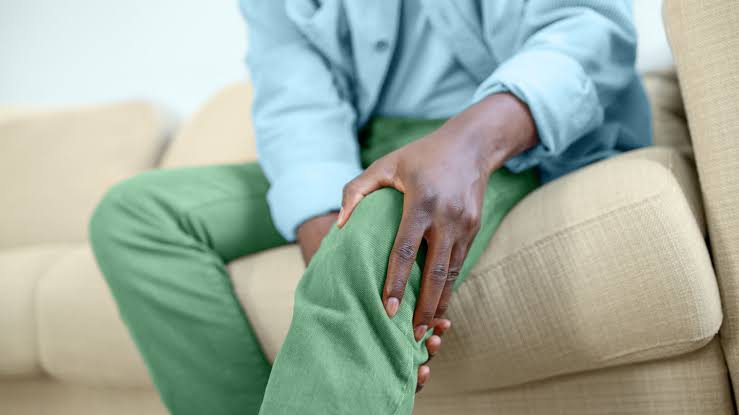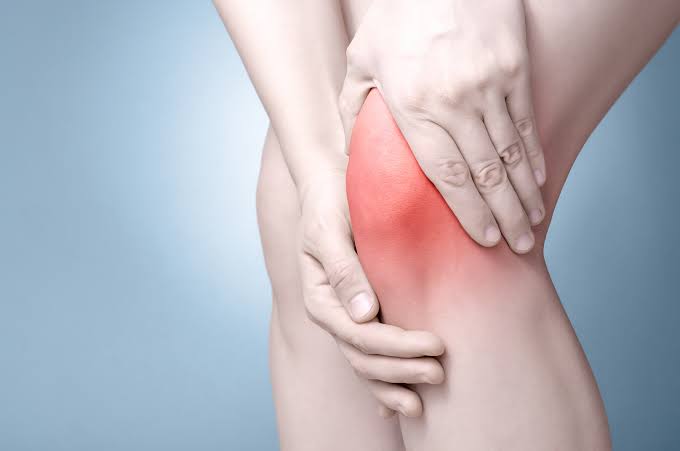
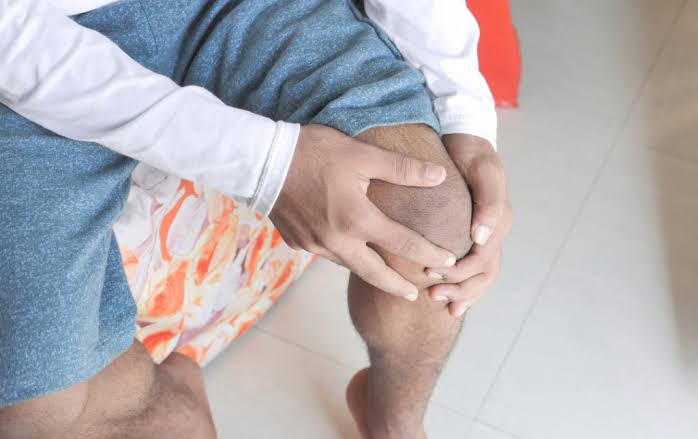
Have you ever taken a step and felt your knee crunch, grind, or catch in a way that instantly made you pause? Maybe it happens when you stand up from a chair. Maybe it shows up when you walk down stairs, squat, or turn quickly. Sometimes it’s subtle. Other times it’s loud enough that you feel it before you even hear it.
At first, most people shrug it off. You assume it’s just “one of those things.” Maybe you slept wrong. Maybe you moved awkwardly. Maybe your knee just needs to warm up. But then it keeps happening. The sensation becomes more frequent. The movement feels less smooth. And slowly, without even realizing it, you start adjusting how you move.
You take stairs more carefully.
You avoid squatting or kneeling.
You hesitate before twisting or pivoting.
You shift weight to the other leg.
That grinding or catching sensation doesn’t just affect your knee — it affects how confident you feel in your body.
At Reno Regenerative Medicine, we see this pattern all the time. People come in frustrated because their knee doesn’t just hurt — it feels unstable, unreliable, and unpredictable. They’re worried because something clearly isn’t right, yet they don’t want surgery, and they don’t want to keep masking the problem with medications or temporary fixes.
Here’s the truth: that grinding or catching sensation is your knee asking for help. And in many cases, it’s a sign of joint compression, reduced joint space, and mechanical stress inside the knee — issues that can often be addressed with knee decompression therapy.
This blog will help you understand why your knee feels like it’s grinding, why catching sensations happen, why they tend to worsen over time, and how knee decompression therapy in Reno offers a non-surgical path toward smoother, more confident movement.
What That Grinding Sensation Is Really Telling You
When a knee moves properly, you don’t notice it. Movement is quiet, fluid, and automatic. The bones glide smoothly, cushioned by cartilage and lubricated by synovial fluid. Everything works together without friction.
Grinding sensations — often referred to as crepitus — happen when that smooth system is disrupted.
Inside the knee, several changes may be occurring at the same time. Cartilage may be thinning or drying out. Joint space may be narrowing. Pressure may be increasing between the surfaces that are meant to glide. As that pressure builds, movement becomes more mechanical and less fluid.
That’s when you start noticing sounds, sensations, or resistance during movement. The knee may feel rough instead of smooth. You may feel popping or clicking. You may sense that the joint isn’t moving freely through its full range.
Importantly, grinding doesn’t always start with pain. Many people feel the sensation first and discomfort later. That’s what makes it so easy to ignore — until it begins affecting how you move, how long you can stay active, and how confident you feel walking.
This is why knee grinding sensation treatment in Reno should focus on the mechanics of the joint, not just symptom relief.
Why Knee Catching and Grinding Often Show Up Together
Grinding sensations and knee catching often go hand in hand. Catching occurs when the knee momentarily feels stuck or hesitant during movement. You may feel like the knee doesn’t want to fully straighten or bend. Sometimes it feels like the joint briefly locks before releasing.
This happens when joint compression interferes with smooth motion. Reduced space inside the knee means tissues don’t glide the way they should. Movement becomes less predictable. Small shifts in position can feel abrupt or restricted.
As this happens, your body naturally adapts. You change how you walk. You alter your posture. You avoid certain movements altogether. These compensations may protect you short term, but over time they increase stress on other joints — including your hips, lower back, and opposite knee.
That’s why knee joint catching relief in Reno NV needs to address the root issue, not just the symptom.
Why These Symptoms Rarely Stay the Same
One of the most concerning aspects of knee grinding and catching is that it rarely plateaus. Without intervention, symptoms often progress.
Joint compression creates a cycle:
Increased pressure leads to cartilage stress.
Cartilage stress reduces cushioning.
Reduced cushioning increases friction.
Friction increases inflammation.
Inflammation reduces joint fluid movement.
Reduced fluid movement limits cartilage nourishment.
Over time, movement becomes stiffer, less comfortable, and more limited. Activities that once felt easy — walking longer distances, standing for extended periods, climbing stairs — start to feel like work.
Many people respond by becoming less active, which unfortunately worsens the problem. Muscles weaken. Joint support decreases. Compression increases further.
This is why early, non-surgical intervention can make such a powerful difference.
How Knee Decompression Therapy Addresses the Root Cause
Knee decompression therapy focuses on reducing excessive pressure inside the knee joint. Instead of forcing the joint to function under constant compression, decompression gently creates space between joint surfaces in a controlled, precise way.
This reduction in pressure allows several important processes to occur:
The joint experiences less mechanical stress.
Movement becomes smoother and less restricted.
Fluid circulation inside the joint improves.
Cartilage receives better nourishment.
Inflammation can decrease.
At Reno Regenerative Medicine, knee decompression is not aggressive or forceful. It is carefully calibrated to your body, your symptoms, and your comfort level. The goal is not to “pull” the knee, but to restore balance and function within the joint.
For many people, this leads to quieter movement, reduced grinding sensations, less catching, and improved confidence with daily activity.
Why Decompression Is Different From Temporary Relief Options
Many people try to manage knee symptoms with rest, braces, medications, or injections. While these approaches may help temporarily, they do not address joint compression.
Decompression is different because it targets the mechanical environment inside the knee. Instead of numbing pain or stabilizing the joint externally, it works to restore internal conditions that allow healthier movement.
This is why knee decompression therapy in Reno is often most effective when grinding and catching sensations are still in the early to moderate stages.
The Importance of Whole-Body Movement Support
The knee does not function alone. Hip strength, ankle mobility, posture, and gait all influence how much pressure the knee experiences.
That’s why our approach looks beyond the knee itself. We evaluate how you move, how you distribute weight, and how your body compensates. Supporting muscles are strengthened. Movement patterns are improved. Alignment is corrected where needed.
This comprehensive strategy helps ensure that improvements from decompression last — and that your knee isn’t forced back into the same stressful patterns.
Who Should Consider Knee Decompression
You may be a strong candidate for knee decompression if:
You feel grinding or crunching during knee movement
Your knee catches or clicks when standing or walking
Movement feels less smooth than it used to
Stiffness increases after sitting or standing
You want a non-surgical option
You don’t need to wait until symptoms become severe. Addressing the problem earlier often leads to better outcomes and greater long-term joint health.
Why Ignoring Grinding Sensations Can Be Risky
Grinding and catching are often early warning signs. Ignoring them doesn’t make them go away — it allows stress to continue building inside the joint.
Over time, untreated compression can lead to reduced mobility, chronic inflammation, and limitations that affect your independence and quality of life. Taking action early gives you more options and better control over your joint health.
Why Patients Choose Reno Regenerative Medicine
At Reno Regenerative Medicine, we focus on precision, personalization, and long-term improvement. We take the time to understand how your knee moves, where stress is occurring, and how to support healthier mechanics.
Our goal is not just to help your knee feel better — it’s to help you move better.
Take the First Step Toward Smoother, More Confident Movement
If your knee feels like it’s grinding, catching, or no longer moving smoothly, you don’t have to accept that as your new normal. Non-surgical options exist, and early care can make a meaningful difference.
Click here to set up a consultation
Conclusion
Grinding and catching sensations are signs that your knee is under stress. At Reno Regenerative Medicine, we use knee decompression therapy to reduce pressure inside the joint, support smoother movement, and help you regain confidence in every step.
If you’re ready to address the root cause — not just manage symptoms — we’re here to help.
Take the first step today.
Click here to set up a consultation