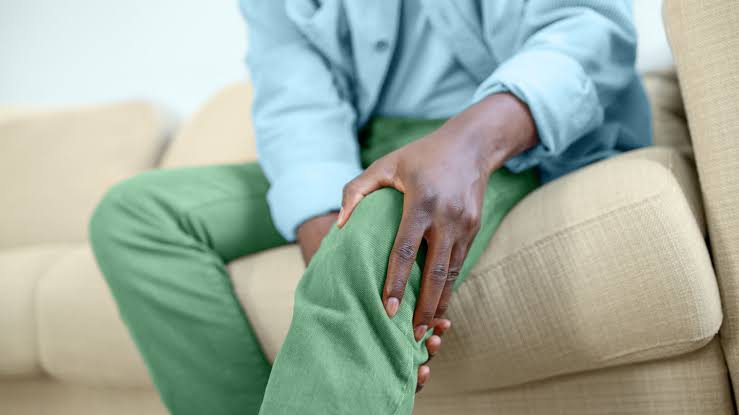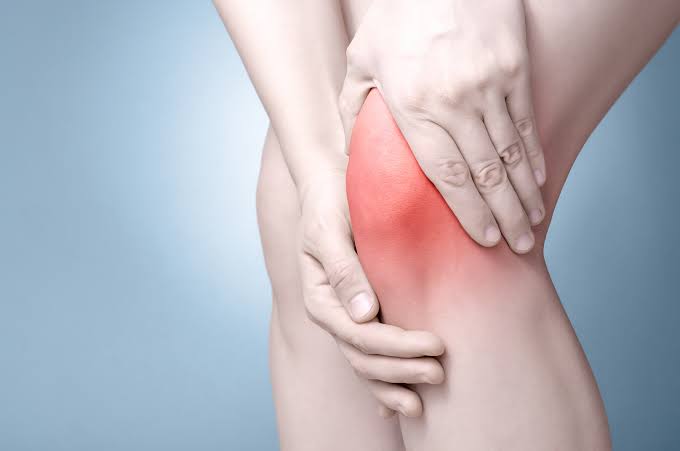
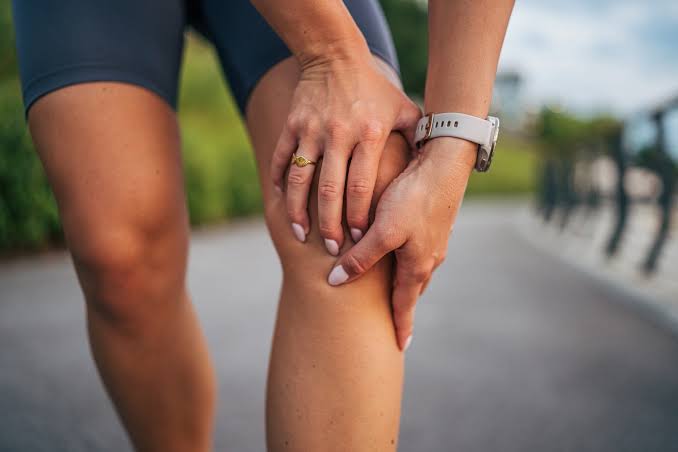
There’s a very specific kind of panic that comes with knee locking.
It happens when you stand up from a chair and your knee doesn’t respond the way it should. For a split second—or sometimes longer—it feels stuck. Frozen. Like your leg forgot how to move. You hesitate. You shift your weight. You test it carefully, hoping it releases without pain or embarrassment.
Sometimes it does.
Sometimes it doesn’t.
And once that moment happens, it stays with you.
From that point forward, every movement carries a question: Is it going to lock again?
At Reno Regenerative Medicine, we see this exact scenario play out again and again. People don’t come in just because their knee hurts — they come in because their knee feels unreliable. They don’t trust it anymore. And when you can’t trust your knee, it changes how you walk, how you stand, how you sit, and how confidently you move through the world.
The truth is, a knee that locks up is often signaling a deeper mechanical issue inside the joint. And while many people assume locking automatically means surgery, that’s not always true. In many cases, non surgical knee decompression can help relieve internal pressure, reduce stiffness, and restore smoother, more confident movement.
This blog will help you understand why knee locking happens, why it tends to get worse if ignored, and how knee decompression therapy in Reno may help free your movement without surgery.
What Knee Locking Really Feels Like (and Why It’s So Disruptive)
Knee locking doesn’t look the same for everyone. For some people, it’s a brief hesitation when straightening the leg. For others, it feels like the knee physically won’t move until they adjust their position. Some experience it after sitting too long. Others feel it during walking, turning, or climbing stairs.
What makes knee locking especially disruptive is that it interrupts natural movement. Movement is supposed to be automatic. You shouldn’t have to think about every step. When your knee locks, that automatic flow disappears.
You start moving cautiously.
You avoid deep bends.
You hesitate on stairs.
You keep weight off the affected leg.
Over time, this guarded movement becomes habit. And those habits place more stress on other joints, including your hips, lower back, and opposite knee.
This is why knee stiffness and locking relief in Reno NV must focus on restoring confidence and fluidity in movement — not just reducing discomfort.
Why Knees Lock in the First Place
To understand knee locking, it helps to understand how the knee is designed to move.
Your knee is a hinge joint, but it’s far more complex than it appears. It relies on cartilage, joint fluid, ligaments, and surrounding muscles to guide smooth motion. When everything is working properly, the knee bends and straightens without resistance.
Locking happens when something interferes with that smooth glide.
One of the most common contributors is joint compression. When pressure inside the knee increases, the space between joint surfaces decreases. This reduced space can make movement feel restricted or unpredictable. Tissues don’t glide freely. Instead, they may momentarily resist motion.
Other contributing factors often include:
- Cartilage wear that reduces cushioning
- Inflammation that stiffens surrounding tissues
- Reduced joint fluid movement
- Muscle tightness around the knee
- Poor movement patterns or alignment
- Previous injuries that altered mechanics
Importantly, knee locking is often not caused by one dramatic injury. It develops gradually. Stiffness increases. Pressure builds. Movement becomes less smooth. Eventually, the knee begins to hesitate during normal activities.
This is why effective knee locking up treatment in Reno must address internal joint conditions — not just pain.
Why Knee Locking Tends to Get Worse Over Time
One of the most frustrating things about knee locking is that it rarely stays the same. Without intervention, episodes often become more frequent or more intense.
This happens because stiffness and compression reinforce each other.
When your knee locks, you naturally move less. Less movement leads to weaker muscles and reduced joint lubrication. Reduced lubrication increases stiffness. Increased stiffness makes locking more likely.
It becomes a loop:
Stiffness limits movement.
Limited movement weakens support.
Weaker support increases compression.
Compression worsens stiffness.
Many people try to push through it, hoping the knee will loosen up on its own. Others rely on pain relievers or braces. While these may help temporarily, they do not address the mechanical environment inside the knee that causes locking.
That’s why addressing compression earlier rather than later can dramatically change outcomes.
How Knee Decompression Therapy Helps Unlock the Knee
Knee decompression therapy works by gently reducing excessive pressure inside the knee joint. Instead of forcing movement through a compressed space, decompression creates controlled separation between joint surfaces.
This reduction in pressure allows the joint to move more freely. It improves fluid exchange inside the knee, which supports cartilage health and reduces stiffness. Over time, this can lead to smoother motion and fewer locking episodes.
At Reno Regenerative Medicine, decompression is carefully tailored to your body. It is not aggressive or forceful. The goal is to restore balance and motion, not to strain the joint.
For many patients, this results in noticeable changes:
Standing up feels smoother.
Walking feels more fluid.
Movement feels less hesitant.
Confidence begins to return.
This is why non surgical knee decompression in Reno has become such an important option for people experiencing knee locking.
Why Decompression Is Different From Symptom-Based Treatments
Many people try to manage knee locking with anti-inflammatory medications, injections, or activity modification. While these approaches may reduce discomfort, they don’t correct joint compression.
Decompression is different because it addresses mechanical stress, not just symptoms. By improving joint spacing and fluid dynamics, decompression supports healthier movement rather than masking discomfort.
This makes it especially valuable for people who want to preserve their knee and avoid surgery when possible.
The Importance of Supporting the Knee Beyond Decompression
The knee does not function in isolation. Hip strength, ankle mobility, posture, and gait all influence how much pressure the knee experiences.
At Reno Regenerative Medicine, we look at how you move as a whole. Supporting muscles are strengthened. Movement patterns are refined. Alignment issues are addressed.
This comprehensive approach helps ensure that once your knee unlocks, it stays that way.
Who Should Consider Care for Knee Locking
You may want to explore care if:
Your knee locks or hesitates during movement
You feel stiffness after sitting or standing
Your knee feels unpredictable
You avoid movements out of fear
You want non-surgical options
Early care often leads to better long-term outcomes.
The Emotional Impact of Knee Locking
Knee locking doesn’t just affect your body — it affects your mindset. When your knee feels unreliable, confidence drops. You may worry about falling, about getting stuck, or about being embarrassed in public.
Restoring movement restores peace of mind. Knowing your knee will move when you need it to changes everything.
Why Choose Reno Regenerative Medicine
At Reno Regenerative Medicine, we take time to understand why your knee is locking. We don’t rush to surgery or temporary fixes. We focus on restoring function, reducing stress inside the joint, and helping you move with confidence again.
Our care is precise, personalized, and focused on long-term improvement.
Take the First Step Toward Freer Movement
If your knee locks, stiffens, or limits your confidence, you don’t have to live with that uncertainty. Non-surgical options may help restore smoother, more reliable movement.
Click here to set up a consultation
Conclusion
A knee that locks is often signaling compression, stiffness, and mechanical stress inside the joint. At Reno Regenerative Medicine, we use knee decompression therapy to help reduce pressure, restore motion, and support healthier joint function without surgery.
If you’re ready to move without hesitation and regain trust in your knee, we’re here to help.
Take the first step today.
Click here to set up a consultation