
Why Reno’s Climate Can Turn Up the Volume on Arthritis
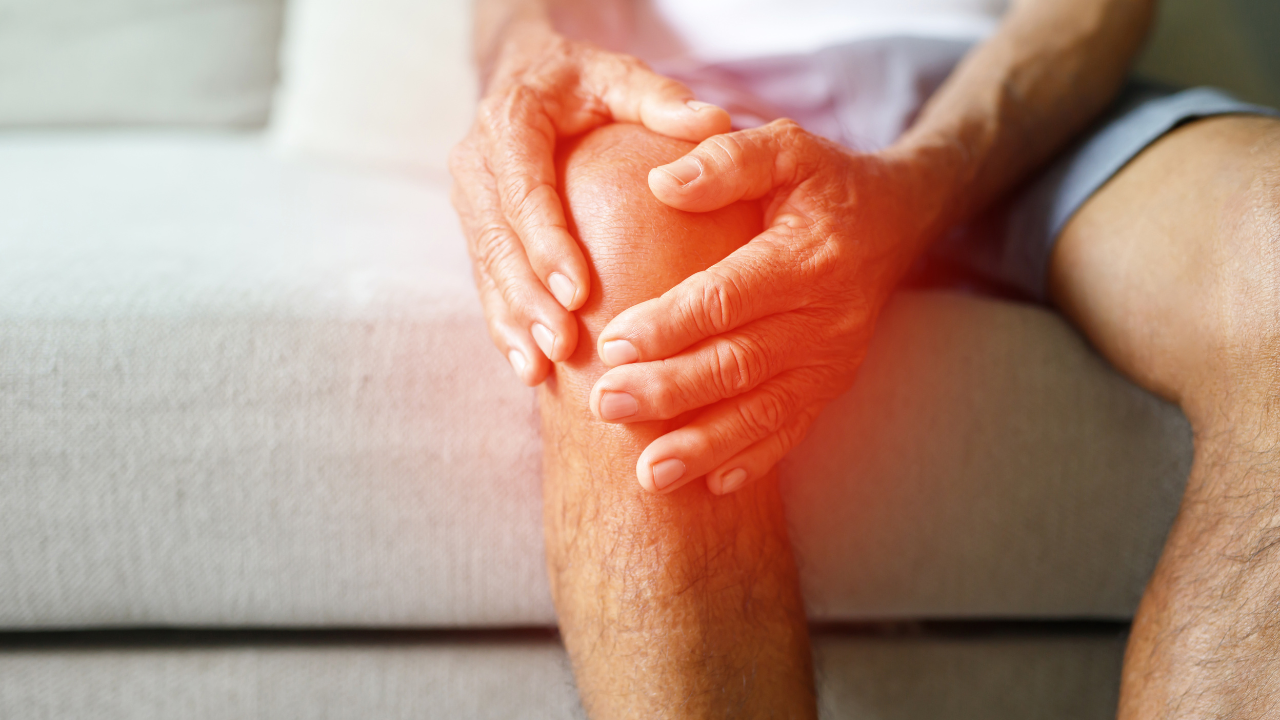
If your knees, hips, or back ache more on dry, windy days or on cold mornings before the sun is up, you are not imagining it. Reno sits in a high desert basin, which means low humidity, sharp swings between morning and afternoon temperatures, and elevation that many patients simply are not used to. Joints that are already inflamed tend to be sensitive to these shifts, and that sensitivity can make ordinary days feel harder than they should.
Arthritis itself is not one condition — it is an umbrella term for joint inflammation that can come from wear and tear, autoimmune activity, old injuries, or a mix of causes. Whatever the source, the pattern of symptoms is usually familiar: stiffness that is worse in the morning or after sitting still, swelling or warmth around a joint, and a noticeable loss of range of motion.
How the Seasons Change Your Symptoms
Northern Nevada’s weather does not stay the same for long, and each season tends to stress arthritic joints in its own way.
- Hot, dry summers can leave tissues dehydrated, which often makes them feel tighter and more irritable.
- Heavy trail use, yard work, and travel in the warmer months can lead to overuse flares.
- Cold winter mornings tend to leave muscles and joints stiff until you have been moving for a while.
- Ice and snow raise the risk of a fall, which can be a serious setback for an already-arthritic joint.
- Smoky air during wildfire season can push people indoors and reduce activity, and less movement usually means more stiffness.
Tracking your own pattern — which season, which weather, which activities make things worse — is one of the simplest ways to get ahead of a flare instead of reacting to one.
Signs Arthritis Is Starting to Run Your Schedule
Arthritis rarely goes from mild to severe overnight. It tends to creep in, and the early warning signs are often more about your habits than your pain score.
- Needing much longer than you used to in order to loosen up in the morning
- Avoiding stairs, hills, or inclines you used to walk without thinking
- Skipping walks along the river or on trails you once enjoyed
- Turning down plans that involve standing or walking for a while
- Reaching for over-the-counter pain relievers most days just to get through normal tasks
When joint pain starts shaping your calendar and your mood, it has moved from an occasional nuisance to something worth addressing directly.
When Self-Care Alone Is Not Enough
Gentle movement, stretching, heat or cold packs, and weight management are all reasonable first steps, and many people manage mild arthritis this way for a long time. But there are clear signals that it is time to bring in a provider rather than keep managing symptoms on your own:
- Pain most days of the week, regardless of activity level
- Pain that interrupts your sleep or keeps you from falling asleep
- Visible swelling, warmth, or a change in how a joint looks
- Symptoms that keep you from doing the things that matter to you — work, hobbies, time with family
At Reno Regenerative Medicine, arthritis treatment in Reno starts with understanding which joints are involved and how the condition is affecting your daily function, not just your pain score. From there, a plan may combine chiropractic care, regenerative joint injections, spinal decompression, or physical therapy, depending on what your evaluation shows.
You do not have to just accept that arthritis is “part of getting older” here. Request an appointmentand let’s talk about a plan that fits how you actually want to spend your seasons in Reno.